
Photoperiod Strains
Control The Light, Control The Outcome.
For cultivators who demand precision, photoperiod strains offer a structured path to scalable production. Unlike varieties that flower on a fixed timeline, photoperiod strains respond directly to light cycles, allowing growers to determine when plants transition from vegetative growth into bloom. That control influences plant size, canopy shape, training methods, and ultimately harvest timing. In competitive markets where consistency and output matter, the ability to manage each phase of development becomes a measurable advantage.
At Cali Rooted, our foundation is built on trusted farm partnerships and decades of agricultural experience rooted in California cultivation. As a 50/50 joint venture with one of the state’s largest and most respected farm operators, we provide lab-tested genetics developed for performance, compliance, and structural integrity. Our focus on premium seeds and farm-grown clones reflects a commitment to quality, sustainable practices, and reliable nationwide fulfillment for growers seeking dependable photoperiod strains.
In this piece, we will be discussing how photoperiod strains function, why genetic quality matters, how to cultivate them effectively, and what to look for when sourcing premium genetics for successful harvests.
-
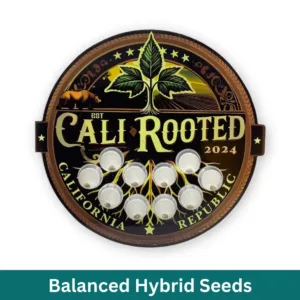 Rated 0 out of 5Sale!$19.99 – $34.99Price range: $19.99 through $34.99Select options This product has multiple variants. The options may be chosen on the product page
 -
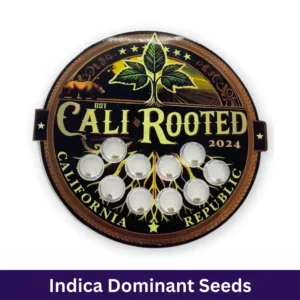 Rated 0 out of 5Sale!$19.99 – $34.99Price range: $19.99 through $34.99Select options This product has multiple variants. The options may be chosen on the product page
 -
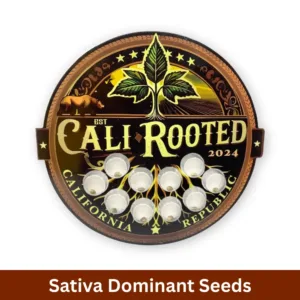 Rated 0 out of 5Sale!$19.99 – $34.99Price range: $19.99 through $34.99Select options This product has multiple variants. The options may be chosen on the product page
What Are Photoperiod Strains And How Do They Flower
Photoperiod strains rely on changes in light exposure to transition from vegetative growth to flowering. Unlike auto-flowering varieties, photoperiod strains remain in the vegetative stage until growers adjust the light cycle to initiate bloom. This flexibility gives cultivators greater control over plant size, structure, and timing:
How Light Cycles Trigger Flowering In Photoperiod Strains
Photoperiod strains begin flowering when they receive extended periods of uninterrupted darkness. Indoors, growers typically shift from an 18-hour light cycle to a 12-hour light and 12-hour dark schedule. Outdoors, seasonal daylight reduction naturally signals photoperiod strains to enter the flowering phase.
Why Growers Control Vegetative And Bloom Phases
Photoperiod strains can be kept in vegetative growth for weeks or months, depending on production goals. This adaptability makes photoperiod strains suitable for both small-scale growers and commercial operations seeking consistent harvest timing.
Key Advantages Of Photoperiod Strains For Serious Cultivators
Photoperiod strains offer a level of precision that experienced cultivators value. Because flowering is triggered by controlled light schedules, growers can determine plant size, training strategy, and harvest timing with greater accuracy. This flexibility supports canopy management techniques such as topping, low stress training, and scrogging, allowing photoperiod strains to develop strong structures before bloom.
For commercial and dedicated home growers, photoperiod strains also provide genetic consistency and yield potential when managed correctly. Extended vegetative periods can increase bud sites and overall biomass, while carefully timed flowering promotes uniform development. With proper environmental control, photoperiod strains deliver predictable performance across indoor rooms, greenhouses, and outdoor fields.
Premium Photoperiod Genetics From Cali Rooted
Cali Rooted supplies photoperiod strains developed through trusted farm partnerships and careful genetic selection. Each offering reflects a commitment to plant vigor, stable lineage, and cultivation performance across diverse growing environments. Growers seeking dependable structure, terpene expression, and yield potential can source photoperiod strains designed for both indoor precision and outdoor scale.
– Blue Dream Photoperiod Seeds – Balanced growth patterns with vigorous branching and reliable flower formation, suited for canopy training and consistent seasonal harvests.
– OG Kush Photoperiod Seeds – Compact internodal spacing and dense bud structure, favored by cultivators prioritizing resin production and controlled indoor environments.
– Gelato Photoperiod Seeds – Strong lateral development and uniform flowering response, ideal for growers managing extended vegetative periods before bloom.
These photoperiod strains reflect Cali Rooted’s focus on premium, lab-tested genetics and careful handling. With secure transactions, protective packaging, and nationwide shipping across all 50 states, cultivators receive strong seeds prepared for productive cycles under compliant growing practices.
How To Cultivate Photoperiod Strains For Strong Yields
Successful cultivation of photoperiod strains depends on environmental control and timing. By managing light exposure, nutrition, and canopy development, growers can guide plants through structured vegetative growth and a productive flowering cycle:
How To Manage Vegetative Growth For Structural Strength
During vegetative growth, photoperiod strains benefit from consistent light schedules, balanced nutrients, and airflow that supports sturdy stems. Many cultivators use topping or low stress training to expand canopy width. Extending the vegetative period allows photoperiod strains to develop additional bud sites before initiating flowering.
How To Optimize The Flowering Transition Indoors And Outdoors
To trigger bloom indoors, growers shift to a 12-hour light and 12-hour dark cycle, ensuring uninterrupted darkness. Outdoor cultivation relies on seasonal daylight reduction. Maintaining stable humidity, temperature, and nutrient adjustments during this phase helps photoperiod strains transition smoothly into dense, uniform flower production.
Why Genetic Quality Matters In Photoperiod Strains
Genetic integrity defines the performance ceiling of photoperiod strains. Stable lineage influences growth rate, internodal spacing, terpene development, and resistance to environmental stress. Cultivators investing time in extended vegetative cycles benefit from genetics that respond predictably to training and controlled light transitions.
Cali Rooted partners with established farm operations to provide photoperiod strains backed by careful selection and responsible cultivation standards. Each seed reflects attention to plant health, compliance with federal guidelines under 0.3% Delta-9 THC, and secure fulfillment practices. For growers focused on long-term production goals, strong genetics remain the foundation of consistent harvest quality.
Elevate Your Grow With Cali Rooted Photoperiod Strains
Photoperiod strains provide cultivators with control, scalability, and the opportunity to refine each growth stage with precision. From extended vegetative development to carefully timed flowering cycles, photoperiod strains support structured canopy management and dependable production outcomes across indoor and outdoor environments.
Cali Rooted offers premium, lab-tested photoperiod strains through direct-to-grower fulfillment, protective packaging, and free shipping on seed orders across all 50 states. Backed by trusted farm partnerships and a commitment to sustainable cultivation practices, each selection reflects genetic strength and careful handling designed to support growers at every stage of production.
Frequently Asked Questions About Photoperiod Strains
What Is The Difference Between Photoperiod Strains And Autoflowering Varieties?
Photoperiod strains require specific light cycle changes to initiate flowering, while autoflowering plants begin blooming based on age. This difference affects scheduling, plant size control, and training options throughout the growth cycle.
Are Photoperiod Strains Better For Indoor Or Outdoor Cultivation?
Photoperiod strains perform well in both environments. Indoors, growers can precisely control light cycles. Outdoors, natural seasonal light changes guide flowering, often producing larger plants with extended vegetative growth.
How Long Do Photoperiod Strains Take To Flower?
Most photoperiod strains complete flowering in eight to ten weeks after the light cycle shifts. Exact timing depends on genetics, environmental stability, and cultivation practices.
Can Beginners Successfully Grow Photoperiod Strains?
Yes, beginners can grow photoperiod strains successfully with proper lighting and scheduling. Understanding light management is essential, but the flexibility in vegetative duration can help correct early mistakes before flowering begins.
Do Photoperiod Strains Produce Higher Yields Than Other Types?
Photoperiod strains can produce substantial yields when given extended vegetative time. The ability to increase plant size before bloom often contributes to greater overall biomass and bud development.
How Do Growers Prevent Light Leaks During Flowering?
Indoor cultivators use sealed grow tents or dedicated rooms to block outside light. Even brief interruptions during the dark cycle can stress photoperiod strains and affect flower consistency.
Are Photoperiod Strains Suitable For Cloning?
Yes, photoperiod strains are commonly cloned during the vegetative stage. Stable mother plants allow growers to maintain consistent genetics across multiple production cycles.
What Nutrient Adjustments Are Needed During Flowering?
During flowering, photoperiod strains typically require reduced nitrogen and increased phosphorus and potassium. Balanced feeding supports bud formation while preventing nutrient stress.
How Do Seasonal Changes Affect Outdoor Photoperiod Strains?
Outdoor photoperiod strains respond to shortening daylight hours as summer transitions into fall. Regional climate conditions influence harvest timing and overall plant size.
Are Photoperiod Strains Compliant With Federal Hemp Regulations?
Compliance depends on THC content and applicable laws. Many hemp-focused photoperiod strains are bred to remain below 0.3% Delta-9 THC, but growers must follow local, state, and federal guidelines.
Sources:
- Small, E. (2015). Evolution and classification of Cannabis sativa (marijuana, hemp) in relation to human utilization. Botany, 93(12), 1237–1249. https://doi.org/10.1139/cjb-2015-0089
- Ram, H. Y. M., & Sett, R. (1982). Induction of fertile male flowers in genetically female Cannabis sativa plants by silver nitrate and silver thiosulphate anionic complex. Theoretical and Applied Genetics, 62(4), 369–375. https://doi.org/10.1007/BF00275107
- Potter, D. J. (2014). A review of the cultivation and processing of cannabis (Cannabis sativa L.) for production of prescription medicines in the UK. Drug Testing and Analysis, 6(1–2), 31–38. https://doi.org/10.1002/dta.1531